
Human-Centric Lighting: Why the Right Light Changes Everything in Your Home
Most homeowners think about lighting in terms of brightness, fixture style, or dimmers. But the truth is, lighting does far more than help you see.
Light directly affects how you sleep, feel, focus, and function.
That’s where human-centric lighting comes in—a smarter, healthier approach to lighting design that aligns your home’s lighting with the way the human body naturally responds to light.
What Is Human-Centric Lighting?
Human-centric lighting is a lighting design philosophy that mimics the natural progression of daylight throughout the day.
Instead of static lighting that looks and feels the same morning, noon, and night, human-centric lighting dynamically adjusts:
- Brightness (intensity)
- Color temperature (warm to cool light)
- Timing and automation
- Integration with natural daylight
This creates an environment that works with your body—not against it.
Think of it this way:
Your body was designed to wake with sunrise, stay alert during daylight hours, and gradually prepare for rest as evening approaches.
Traditional lighting ignores this completely.
Human-centric lighting restores that natural rhythm indoors.
Why Light Matters More Than Most People Realize
Light is one of the most powerful environmental influences on the human body.
It impacts:
Sleep Quality
Exposure to cooler, brighter light in the evening can interfere with melatonin production, making it harder to fall asleep.
Energy Levels
The right daytime lighting helps maintain alertness and reduce fatigue.
Mood & Emotional Wellness
Poor lighting can make spaces feel gloomy, harsh, or uncomfortable.
Productivity & Focus
Proper lighting improves concentration, visual comfort, and task performance.
Visual Comfort
Glare, flicker, poor dimming, and inconsistent lighting all contribute to eye strain and discomfort.
Your lighting isn’t just décor.
It’s part of your wellness environment.
Understanding Circadian Rhythm
Your body operates on an internal 24-hour clock called your circadian rhythm.
This biological rhythm helps regulate:
- Sleep/wake cycles
- Hormone production
- Energy levels
- Mood
- Mental alertness
Natural sunlight is the primary signal that keeps this system aligned.
A human-centric lighting system mimics this progression indoors:
Morning
Bright, cooler light encourages wakefulness and helps you feel energized.
Midday
Balanced neutral lighting supports focus, productivity, and visual clarity.
Evening
Warmer, dimmer lighting helps your body naturally transition toward rest.
This is especially valuable in homes where people spend significant time indoors.
The Problem with Traditional Lighting
Most homes still rely on outdated static lighting that creates a one-size-fits-all environment.
Common issues include:
- One fixed color temperature all day
- Harsh lighting that feels unnatural
- Poor LED dimming performance
- Flicker from low-quality drivers
- Inconsistent light levels room to room
- No automation tied to daily routines
This can make even beautiful homes feel uncomfortable.
Human-Centric Lighting + Natural Daylight = The Ideal Solution
Artificial lighting is only part of the equation.
The best lighting environments also manage natural daylight.
Too much sunlight creates:
- Glare
- Heat gain
- Washed-out interiors
- TV screen reflections
- Visual discomfort
Too little daylight makes spaces feel dark and disconnected.
This is why motorized shading is such an important part of human-centric design.
Intelligent shades can automatically:
- Reduce glare
- Preserve views
- Protect interiors from UV exposure
- Improve thermal comfort
- Work in sync with lighting scenes
The result is seamless lighting comfort all day long.
⸻
Intelligent Lighting Technology Makes This Possible
Modern intelligent lighting systems make human-centric lighting practical and beautiful.
Features may include:
- Tunable white lighting
- Smooth flicker-free dimming
- Automated circadian scenes
- Time-of-day scheduling
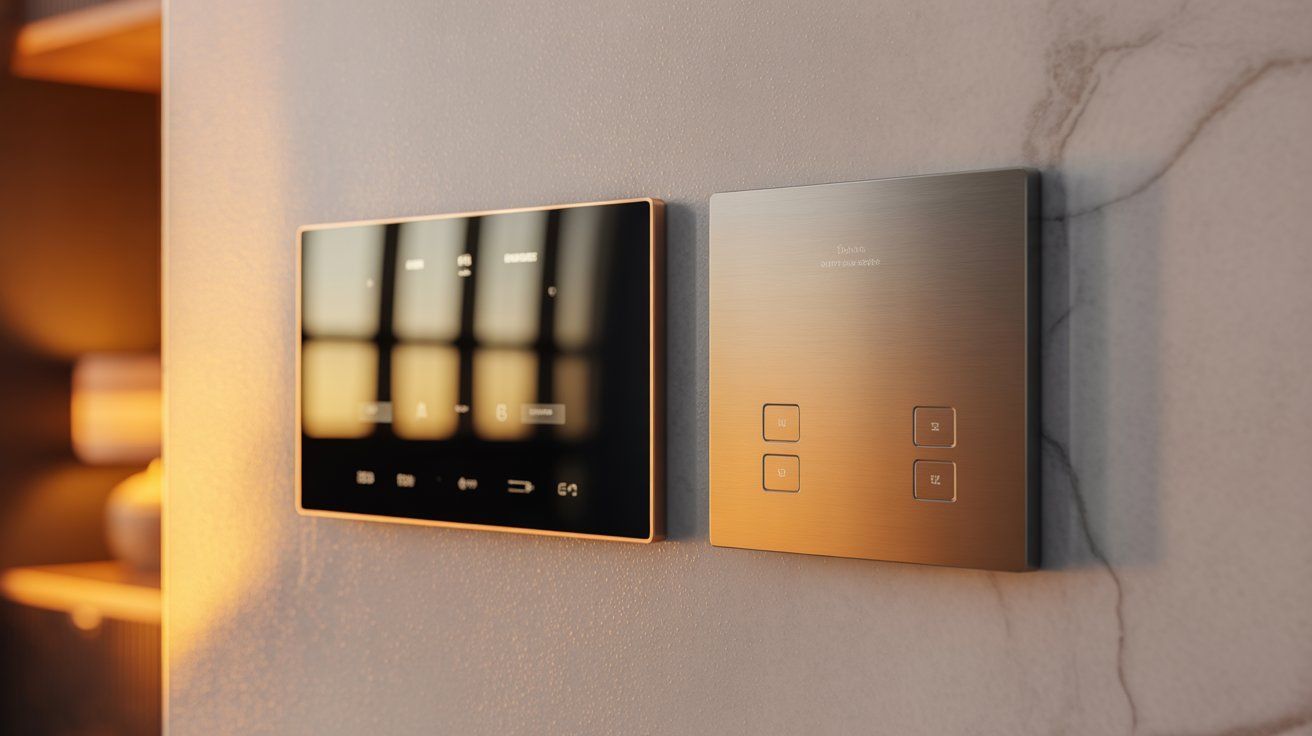
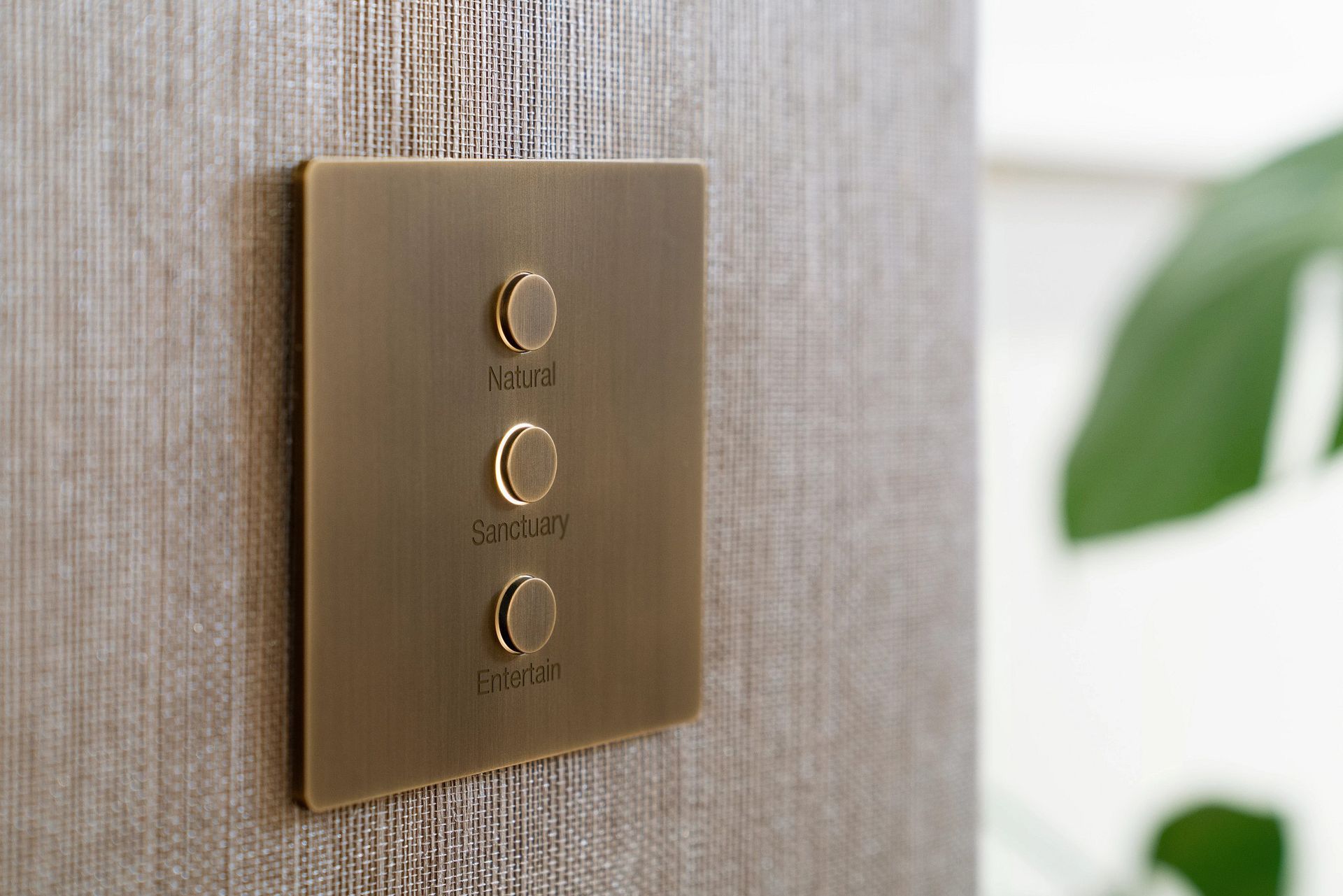
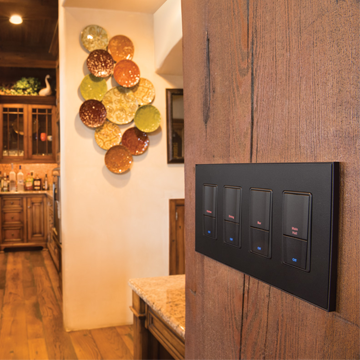
- Keypad scene control
- App control
- Voice integration
- Shade synchronization
For luxury residential environments, advanced platforms such as Lutron HomeWorks with Ketra lighting create some of the most refined human-centric experiences available.
These systems can deliver light that feels remarkably close to natural daylight while maintaining elegant architectural integration.
Where Human-Centric Lighting Makes the Biggest Impact
While every home can benefit, some spaces see dramatic improvements:
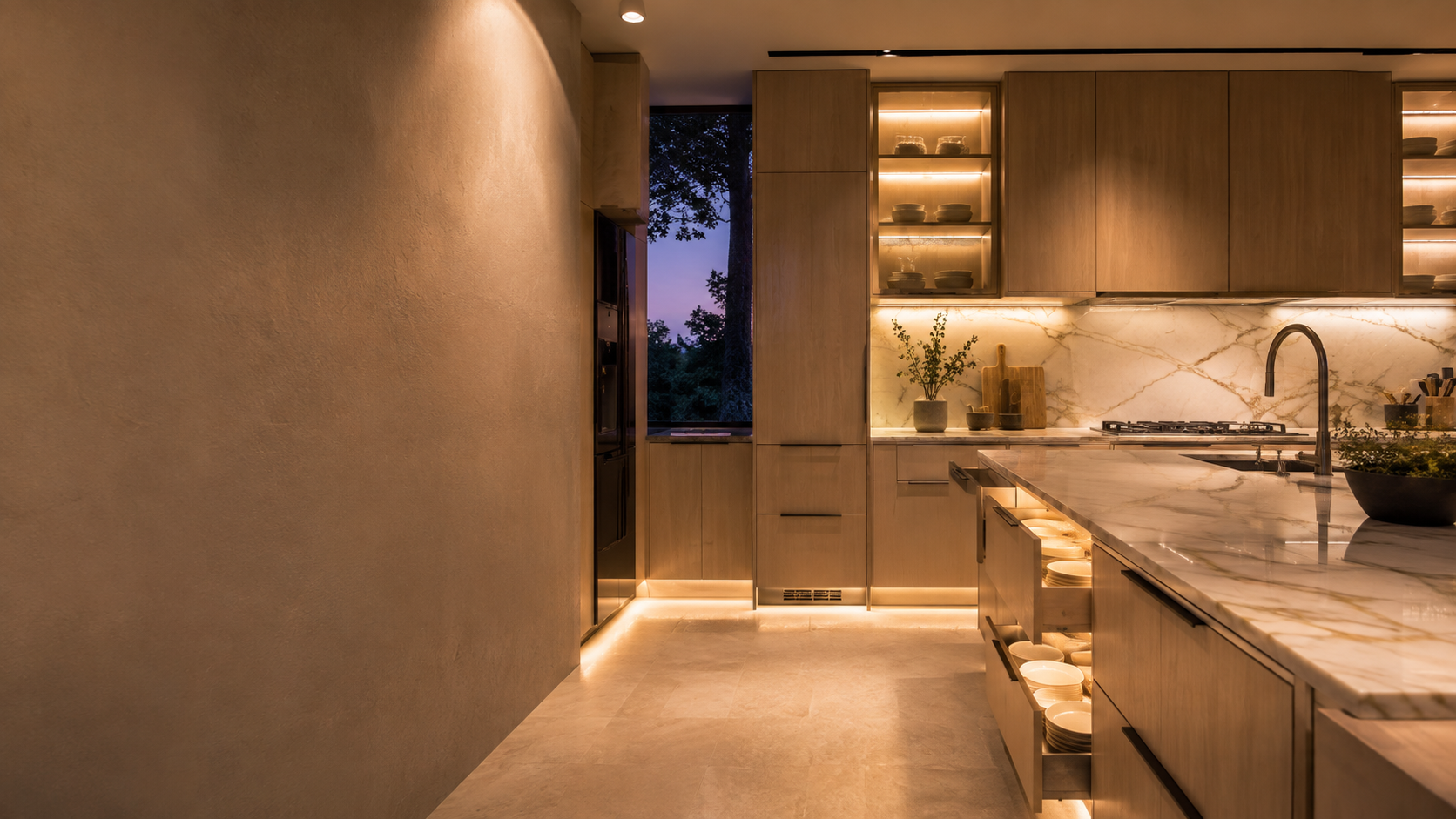
Kitchen
Brighter task lighting during active hours, softer ambiance in the evening.
Living Room
Adaptive lighting for entertaining, relaxing, and media viewing.
Primary Bedroom
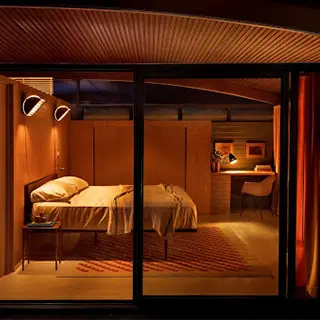
Warm evening lighting that supports healthier sleep routines.
Home Office
Balanced daylight-like illumination for better productivity and reduced fatigue.
Wellness Spaces
Perfect for meditation rooms, spas, fitness spaces, and recovery environments.
Is Human-Centric Lighting Worth It?
For homeowners investing in comfort, wellness, and elevated design—the answer is yes.
Benefits often include:
- Better sleep quality
- Improved comfort
- Reduced eye strain
- More beautiful interiors
- Enhanced mood
- Smarter automation
- Greater lifestyle convenience
- Elevated home value perception
It’s not just smart lighting.
It’s lighting designed around human experience.
Experience Lighting Designed for the Way You Live
At Premier Lighting & Home Automation, we specialize in intelligent lighting environments that combine:
- Architectural lighting design
- Human-centric lighting strategies
- Lutron HomeWorks
- Lutron Ketra intelligent lighting
- Motorized shading
- Natural daylight optimization
- Luxury smart home integration
Because the best lighting doesn’t just illuminate your home.
It transforms how you live in it.
Ready to explore human-centric lighting for your home?
Contact Premier Lighting & Home Automation for a personalized consultation.
Terrell Ray
Premier Lighting and Home Automation, LLC
214.214.9458



Control4 Lux vs. Lutron Intelligent Lighting: Which Luxury Lighting Solution Is Right for Your Home?